
Will Trump Nationalize SpaceX? Here's What Betting Markets Are Predicting Post-IPO.
 2026-07-24 17:05
•Ryan Vanzo •The Motley Fool
••••••• ••••
2026-07-24 17:05
•Ryan Vanzo •The Motley Fool
••••••• •••• Axe Capital view
Why SpaceX Nationalization Is a Remote Risk, but Still Worth Watching
Government stakes in tech firms rarely dominate shareholding but create headline risk investors should monitor.
The idea of the U.S. government nationalizing SpaceX sounds dramatic, but betting markets now put those odds at just 4% by 2027, down from 11%. This trend reflects a broader reality: governments might want stakes in critical tech or infrastructure firms, but full takeovers are rare and politically complex. For South African investors, the lesson isn't to panic but to watch how such regulatory risks affect USD/ZAR and tech-heavy counters like Naspers and Prosus, which trade influenced by global tech sentiment and currency moves. If Washington introduces or expands public ownership in high-tech firms, it could weigh on global tech valuations, pressuring rand strength as risk appetite cools. In turn, this would impact our market’s growth-oriented stocks and offshore earnings. Still, this risk remains secondary to factors like U.S. Fed policy or South Africa’s local growth trajectory. If political winds shift drastically in the U.S., and nationalization risks spike, that’s a time to reassess. Otherwise, stay calm and stay diversified;. this is just my opinion and not financial advice
Watch USD/ZAR closely and avoid overexposure to Naspers and Prosus until nationalization fears stabilize further. Maintain exposure in banks and resources, which are less sensitive to global tech regulatory drama.
- USD/ZAR
- Naspers
- Prosus
- Escalation of U.S. government intervention in tech firms
- Global risk-off impacting emerging markets and rand
5/10
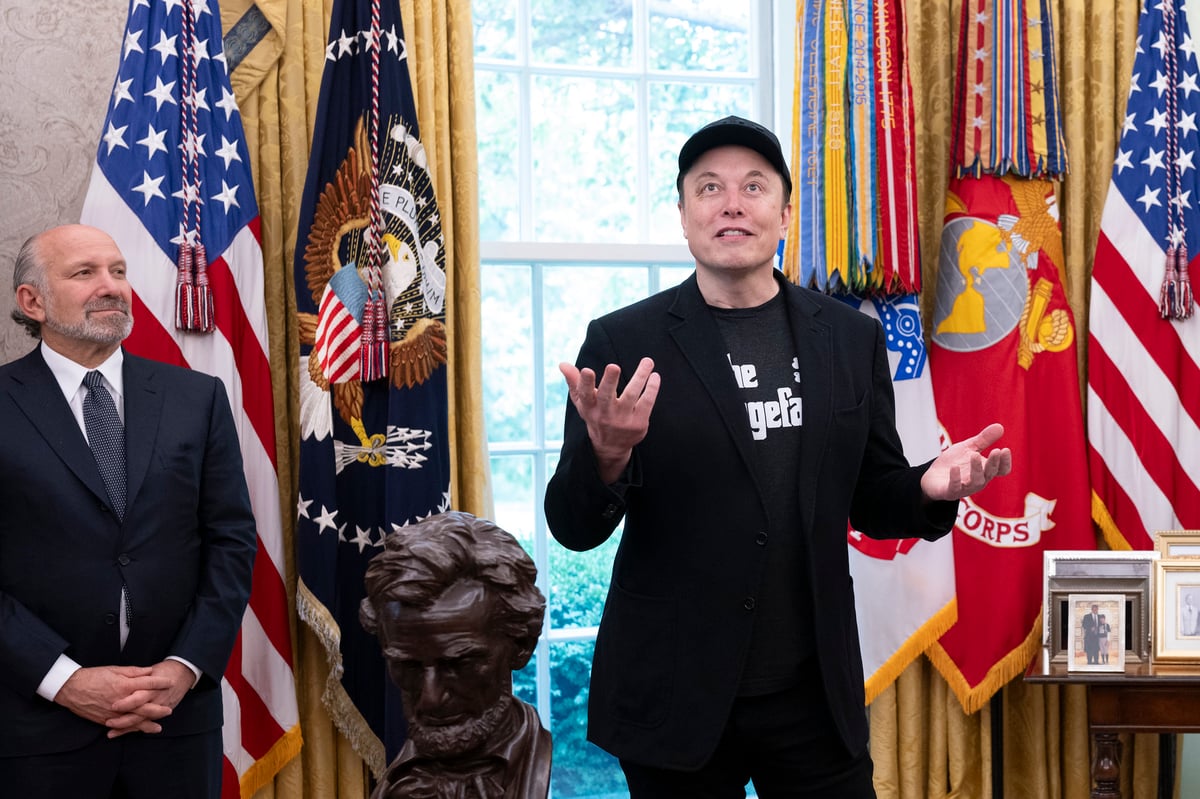
The Trump Administration has shown willingness to take ownership stakes in critical U.S. companies. Senator Bernie Sanders has proposed an American AI Sovereign Wealth Fund Act to give the public direct ownership in major AI companies including xAI (SpaceX's AI division). Betting markets initially showed ~11% odds of SpaceX nationalization by January 2027, but these odds have fallen to ~4% as of the article's publication date.
This article was originally published by The Motley Fool and has been adapted here for Axe Capital Trading News.
Publisher: The Motley Fool
Author: Ryan Vanzo
Categories: Equities, IPOs, Commodities, Metals, Technology, AI, Semiconductors
Tickers: SPCX, INTC, MP, LAC
Sentiment: Negative - Article discusses potential government nationalization or forced partial ownership stakes in SpaceX, which would dilute existing shareholders' ownership and control. Betting market odds for nationalization by Jan 2027 have declined from 11% to 4%, but the ongoing discussion of nationalization presents regulatory and ownership risk. Mentioned as an example of a company where the U.S. government has already taken an ownership stake. Used as historical precedent rather than subject of current concern.
Keywords: nationalization, government ownership, SpaceX IPO, AI companies, sovereign wealth fund, betting markets, critical infrastructure
Insights:
- SPCX: Negative: Article discusses potential government nationalization or forced partial ownership stakes in SpaceX, which would dilute existing shareholders' ownership and control. Betting market odds for nationalization by Jan 2027 have declined from 11% to 4%, but the ongoing discussion of nationalization presents regulatory and ownership risk.
- INTC: Neutral: Mentioned as an example of a company where the U.S. government has already taken an ownership stake. Used as historical precedent rather than subject of current concern.
- MP: Neutral: Mentioned as an example of government ownership stake in critical infrastructure (rare-earth mining). Used as historical precedent rather than subject of current concern.