
Warren Buffett Held Wells Fargo Stock for More Than 30 Years Before Selling It. Here's the Lesson for Bank Stocks.
 2026-10-10 10:15
•Bram Berkowitz •The Motley Fool
•• •••••••••
2026-10-10 10:15
•Bram Berkowitz •The Motley Fool
•• ••••••••• Axe Cap view
What Buffett’s Wells Fargo Exit Teaches Us About SA Banks
Buffett’s decades-long hold and eventual sale of Wells Fargo highlights reputation risks and patience challenges for banks, a lesson relevant to South Africa’s lenders today.
Warren Buffett’s story with Wells Fargo is a clear demonstration that even the most seasoned investors run into limits with bank reputations. He held the stock for nearly 30 years but sold after the 2016 scandal involving fake accounts damaged trust and triggered heavy regulation. Although the new CEO has made strides turning the bank around, Buffett’s exit shows how corporate governance and reputation can be deal breakers. South African banks like Standard Bank, FirstRand, and Nedbank face their own scrutiny with bad debts and economic stress in the backdrop. These lenders operate in a tough regulatory and political environment where reputation still matters deeply. Betting on them requires confidence in management’s ability to maintain discipline and transparency. The key takeaway? Long-term banking investments hinge on trust, and no turnaround story is cheap or guaranteed. If the rand weakens sharply (USD/ZAR) or economic risks intensify, banking stocks could take another hit. this is just our opinion and not financial advice
We would watch Standard Bank and FirstRand for signs of sustained operational discipline and lean towards trimming positions if reputational or credit risks flare again. Avoid chasing turnaround stories without clear evidence of governance improvements.
- Standard Bank
- FirstRand
- USD/ZAR
- Renewed regulatory or political pressure on SA banks
- Rand volatility sharply increasing funding costs
7/10
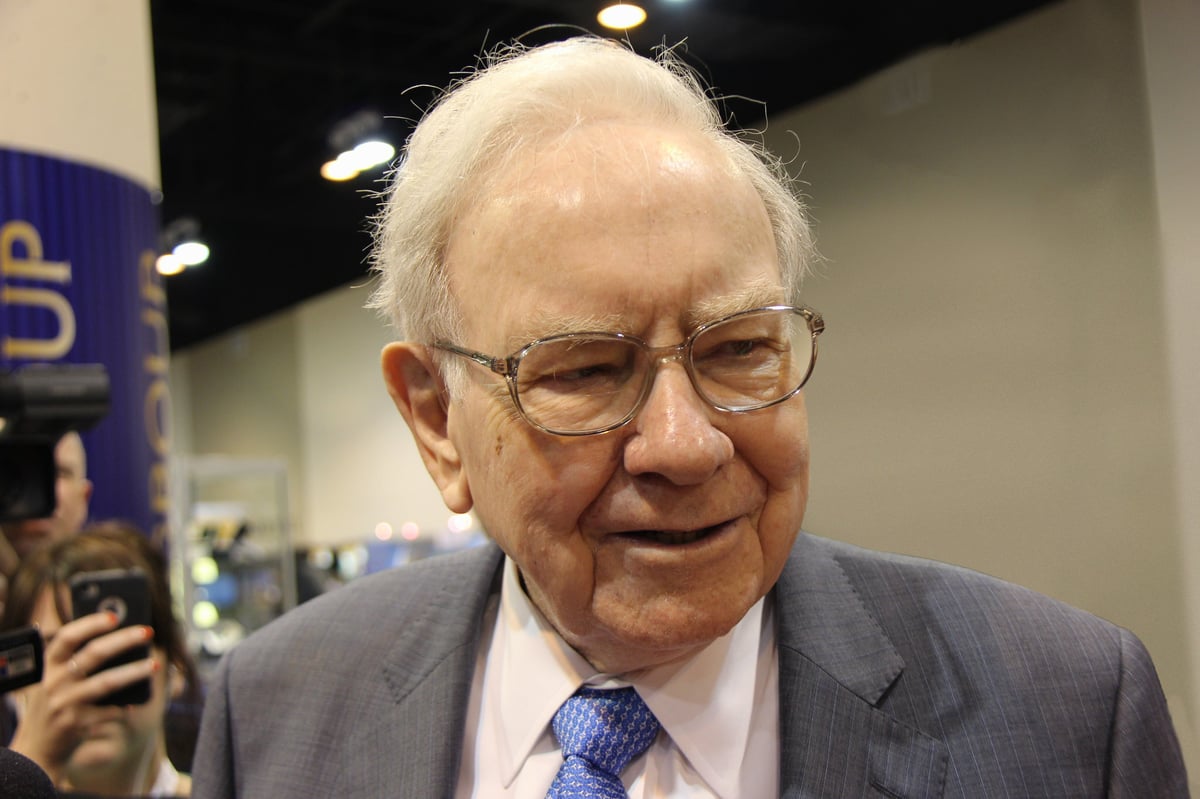
Warren Buffett's Berkshire Hathaway held Wells Fargo stock for nearly 30 years starting in 1989, but exited the position in 2022 following the bank's 2016 phony accounts scandal. While CEO Charlie Scharf successfully turned the bank around with operational improvements and regulatory compliance, Buffett had already sold due to frustration with the board and uncertainty about the turnaround timeline. The case illustrates the importance of reputation in banking and the challenge of identifying viable long-term turnaround opportunities.
Our take is based on reporting first published by The Motley Fool.