
How to Spot a Stock Market Bubble 101: Raymond James Just Placed an $800 Price Target on SpaceX, Valuing Elon Musk's Company at $10.5 Trillion
 2026-07-14 11:06
•Sean Williams •The Motley Fool
••••• •••
2026-07-14 11:06
•Sean Williams •The Motley Fool
••••• ••• Axe Capital view
SpaceX's $10.5 Trillion Price Target: Bubble or Vision?
Raymond James’ $800 price target on SpaceX highlights a classic tech bubble warning for investors.
An $800 price target on SpaceX, implying a $10.5 trillion value, is eye-wateringly high—even by tech bubble standards. South African investors should think twice before chasing the hype. Elon Musk’s track record includes big promises that limp into reality much slower, if at all. For context, Tesla’s repeated missed targets on self-driving tech warn against over-relying on Musk’s vision alone. The 50x price-to-sales ratio here screams frothy. While SpaceX is pioneering with Starlink and rockets, the cash burn of Musk’s AI ventures and uncertain revenue models make this a high-risk speculative bet, not a safe growth stock. Rand investors watching global tech could do better sticking with Prosus or Naspers, where valuations are tough but less absurd. That said, if global risk appetite skyrockets and the USD/ZAR weakens sharply, such mega-cap tech plays might rally, catching fancy capital flows. But this is a scenario to watch, not count on. this is just my opinion and not financial advice
Avoid investing in SPACX or similar hyped, unlisted tech ventures for now. Prefer trimming global tech exposure via Prosus and Naspers while keeping an eye on USD/ZAR strength for re-entry opportunities.
- SPCX
- Prosus
- Naspers
- USD/ZAR
- Musk delivering unexpected breakthroughs
- Sudden surge in global risk appetite and tech re-ratings
7/10
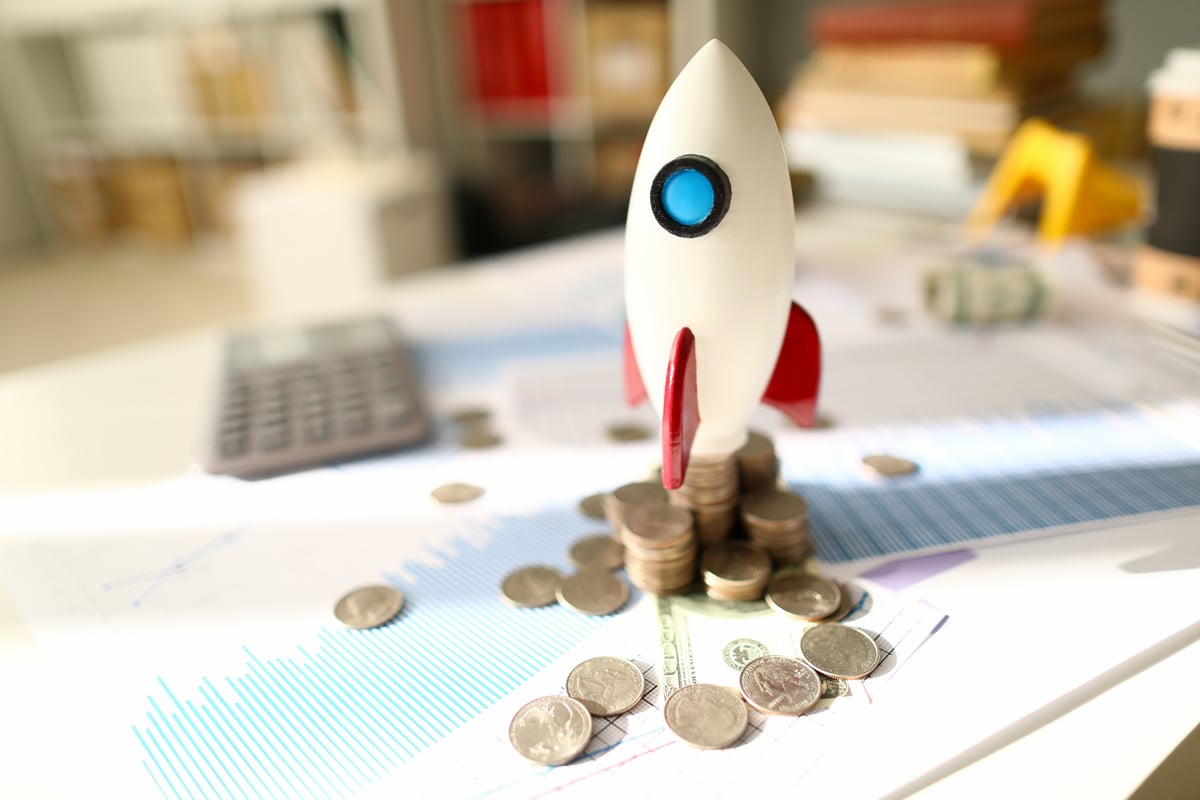
Raymond James analyst Brian Gesuale issued an $800 price target on SpaceX (implying 451% upside and a $10.5 trillion valuation), but the article argues this represents a classic stock market bubble. The author highlights concerns including SpaceX's unsustainable operating model, xAI's cash burn, Elon Musk's poor track record on promises, an unsustainably high price-to-sales ratio of 50x, and historical precedent showing game-changing technologies experience early-stage bubble bursts.
This article was originally published by The Motley Fool and has been adapted here for Axe Capital Trading News.
Publisher: The Motley Fool
Author: Sean Williams
Categories: Equities, IPOs, Technology, AI, Semiconductors
Tickers: SPCX, NVDA, TSLA
Sentiment: Negative - The article argues SpaceX's valuation is unsustainable and represents a bubble. Key concerns include: unproven sustainable operating model, xAI's cash burn, Musk's history of unfulfilled promises, excessive P/S ratio of 50x, and historical precedent of game-changing tech experiencing bubble bursts. Mentioned only as a comparison point for market cap context (SpaceX's $10.5T valuation would be more than double Nvidia's current market cap). No direct sentiment expressed about the company.
Keywords: stock market bubble, SpaceX IPO, price target, valuation, AI bubble, Starlink, xAI, addressable market
Insights:
- SPCX: Negative: The article argues SpaceX's valuation is unsustainable and represents a bubble. Key concerns include: unproven sustainable operating model, xAI's cash burn, Musk's history of unfulfilled promises, excessive P/S ratio of 50x, and historical precedent of game-changing tech experiencing bubble bursts.
- NVDA: Neutral: Mentioned only as a comparison point for market cap context (SpaceX's $10.5T valuation would be more than double Nvidia's current market cap). No direct sentiment expressed about the company.
- TSLA: Negative: Referenced as evidence of Elon Musk's poor track record on promises, including unfulfilled robotaxi commitments and repeated false claims about Level 5 full self-driving capabilities.