
These 2 Numbers Explain Why Warren Buffett and Bill Ackman Love Alphabet, Amazon, Microsoft, and Meta
 2026-09-29 17:32
•Adam Levy •The Motley Fool
••••• •••••••••••
2026-09-29 17:32
•Adam Levy •The Motley Fool
••••• ••••••••••• Axe Cap view
Why Buffett Bets Big on AI Giants
Buffett’s love for Alphabet, Amazon, Microsoft, and Meta comes down to their exceptional returns on invested capital versus their cost of capital.
Warren Buffett and Bill Ackman are putting serious money behind AI-driven cloud giants because these companies generate returns well above their cost of capital—think 24% ROIC versus 8% WACC. Despite heavy spending on AI infrastructure eating into short-term profits, these hyperscalers like Alphabet and Microsoft are projected to pump out over $500 billion in free cash flow by 2030. That’s significant value creation when you consider the long-term contracts and cloud backlogs that provide earnings stability. From a South African perspective, this tech optimism makes the USD/ZAR pair a key focus—continued dollar strength could pressure the rand, affecting sectors reliant on imports or dollar-denominated debt. As much as I like the story, it hinges on AI investments translating into real profits over the next decade. If competition ramps up faster or regulatory risks hit, these forecasts could falter. this is just our opinion and not financial advice
Watch USD/ZAR closely—expect some rand weakness while global tech infrastructure costs rise. Locally, consider trimming rand-hedged resources and bond exposure as funding costs tick up.
- USD/ZAR
- Alphabet (GOOG)
- Microsoft (MSFT)
- AI infrastructure investments fail to generate expected returns
- Regulatory challenges to big tech impact earnings
6/10
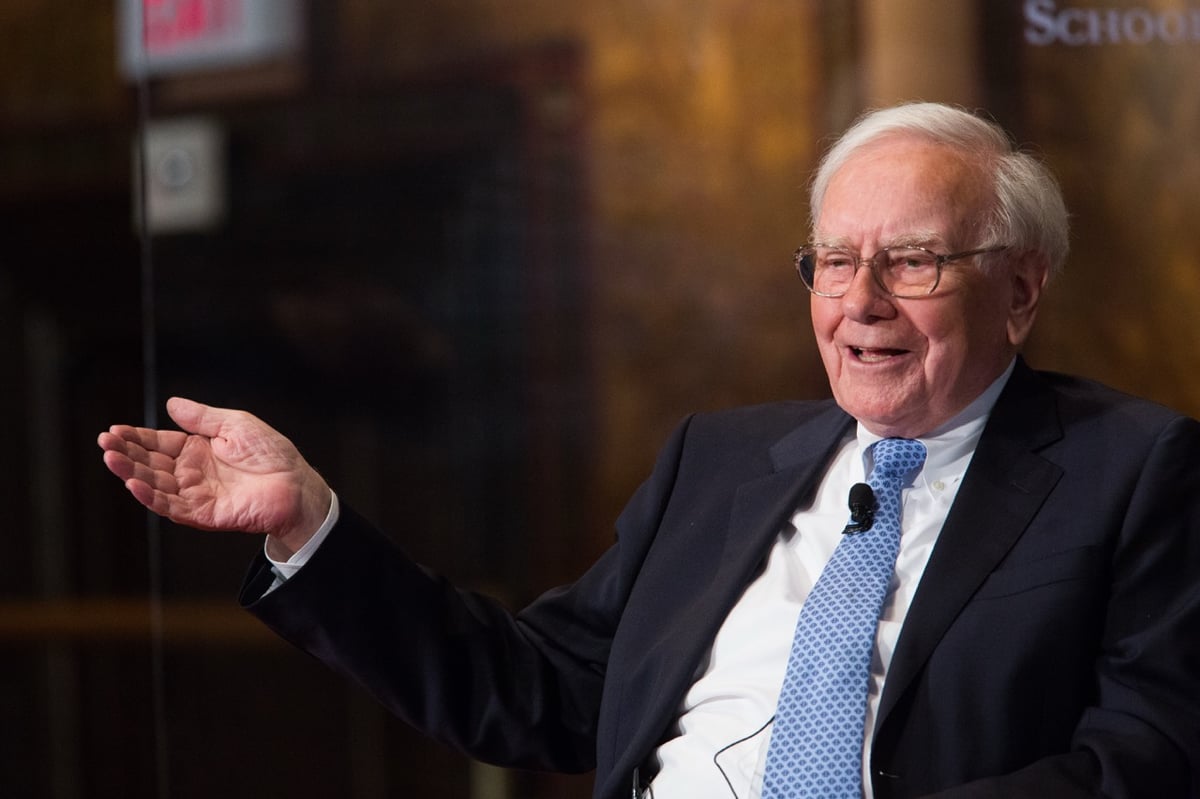
Warren Buffett and Bill Ackman are investing heavily in AI hyperscalers based on two key metrics: return on invested capital (ROIC) and weighted average cost of capital (WACC). Hyperscalers are expected to generate ROIC above 24% while their WACC sits around 8%, creating significant upside potential. Despite near-term negative free cash flow from massive AI infrastructure spending, analysts project these companies could generate over $500 billion in combined free cash flow by 2030, making current valuations attractive.
Our take is based on reporting first published by The Motley Fool.