
Is SpaceX Stock a Millionaire Maker? There Are 2 Things That Will Define That Answer.
 2026-07-15 00:05
•Stefon Walters •The Motley Fool
•••••• ••
2026-07-15 00:05
•Stefon Walters •The Motley Fool
•••••• •• Axe Capital view
Why SpaceX’s Sky-High Valuation Limits Its Millionaire-Maker Potential
SpaceX’s huge $1.82 trillion valuation means it’s unlikely to produce life-changing returns for most investors anytime soon.
SpaceX’s business is undeniably impressive—dominating space launches, building Starlink’s global internet, and venturing into AI infrastructure. But at a staggering $1.82 trillion valuation, the company starts so high that it severely caps upside for typical investors. To turn a $50,000 stake into a millionaire-maker, SpaceX would have to balloon four times bigger than today’s tech giants combined, reaching an eye-popping $36.4 trillion. That’s fantasy territory for now. Tesla’s growth curve tells a different story: it went public when valued at a mere $1.7 billion, allowing early investors to see 20x+ gains. South African investors who look to the tech sector for similar explosive returns may need patience or eye alternative routes. For instance, the USD/ZAR rate often reflects global risk appetite, and a sudden tech sell-off could lift the rand, indirectly affecting local tech counters like Naspers or Prosus. My take: SpaceX is a top-notch company but probably not a quick millionaire-maker. this is just my opinion and not financial advice
I would watch SpaceX with interest but avoid large commitments until valuation becomes more reasonable. Instead, I prefer looking at well-established JSE tech plays or the rand’s reaction to global tech trends for more actionable opportunities.
- USD/ZAR
- Naspers
- Prosus
- SpaceX valuation stays irrationally high
- Global tech sell-off worsens, impacting related JSE stocks and forex
6/10
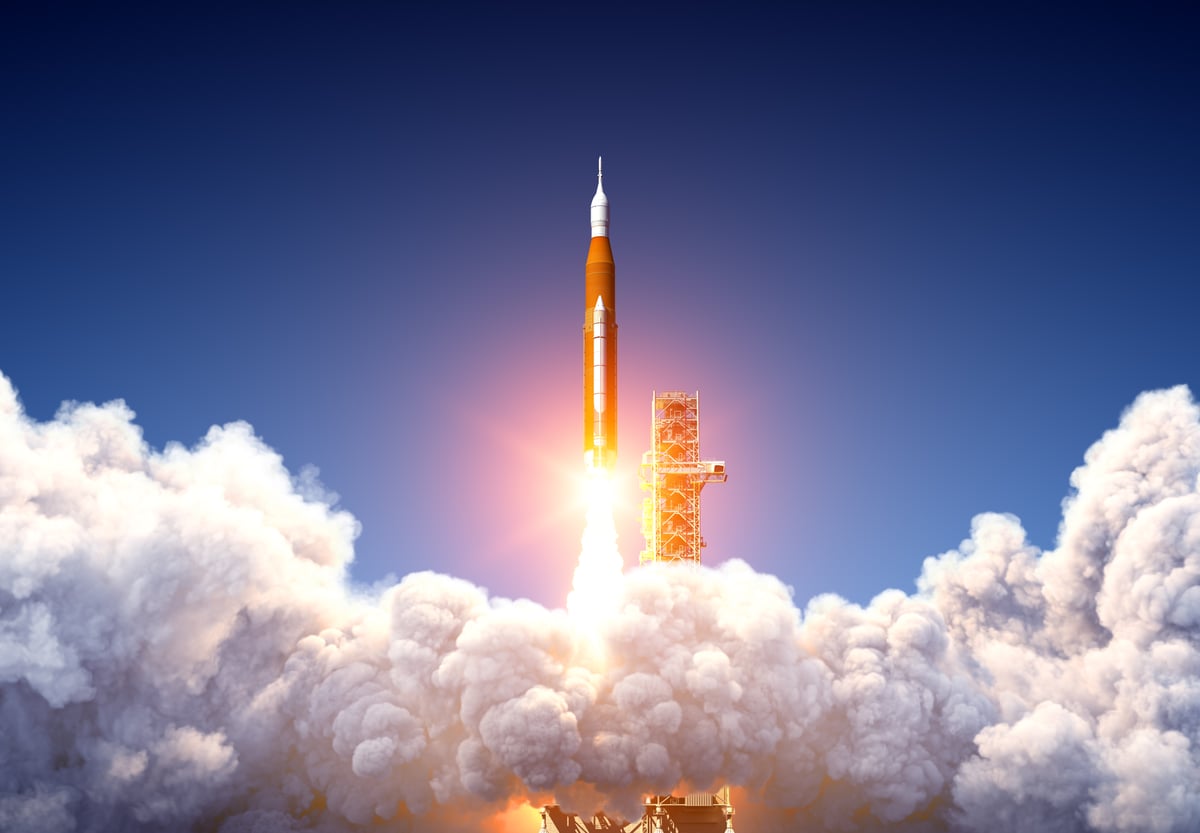
SpaceX's $1.82 trillion valuation makes it unlikely to be a millionaire-maker for average investors, despite the company's solid business fundamentals. While initial investment size and time horizon are critical factors for wealth creation, SpaceX would need to reach $36.4 trillion in value for a $50,000 investment to grow 20x. Unlike Tesla's IPO at $1.7 billion, SpaceX's massive starting valuation limits upside potential, though some investors with large lump sums or 30+ year horizons could still benefit.
This article was originally published by The Motley Fool and has been adapted here for Axe Capital Trading News.
Publisher: The Motley Fool
Author: Stefon Walters
Categories: Equities, IPOs, Technology, AI, Semiconductors, Autos
Tickers: SPCX, TSLA
Sentiment: Mixed - While SpaceX has solid business fundamentals (largest space launch company, AI infrastructure, Starlink), its $1.82 trillion valuation creates a significant headwind for average investors seeking millionaire-maker returns. The article argues it's unlikely to deliver the 20x returns needed for typical investors, unlike Tesla's early IPO performance. Tesla is cited as a successful millionaire-maker example, with a $5,000 IPO investment in 2010 worth over $1.2 million today. Used as a positive comparison point to highlight how lower initial valuations enable greater percentage gains.
Keywords: SpaceX IPO, stock valuation, millionaire maker, investment returns, total addressable market, Starlink, space launch company
Insights:
- SPCX: Negative: While SpaceX has solid business fundamentals (largest space launch company, AI infrastructure, Starlink), its $1.82 trillion valuation creates a significant headwind for average investors seeking millionaire-maker returns. The article argues it's unlikely to deliver the 20x returns needed for typical investors, unlike Tesla's early IPO performance.
- TSLA: Positive: Tesla is cited as a successful millionaire-maker example, with a $5,000 IPO investment in 2010 worth over $1.2 million today. Used as a positive comparison point to highlight how lower initial valuations enable greater percentage gains.