
Warren Buffett's Berkshire Compounded at 19.9% a Year Over 60 Years as CEO, Nearly Double the S&P 500's Return. Can Investors Still Expect That Playbook Today?
 2026-10-07 15:15
•Jennifer Saibil •The Motley Fool
• ••••••
2026-10-07 15:15
•Jennifer Saibil •The Motley Fool
• •••••• Axe Cap view
Berkshire Hathaway’s Growth Edge is Slowing, What It Means for SA Investors
Buffett’s legendary 19.9% returns may not be repeatable under new leadership, challenging investors to find alternatives locally.
Warren Buffett’s Berkshire Hathaway grew at nearly 20% a year for six decades, an extraordinary feat few can replicate. Now, with Greg Abel at the helm and a $1.1 trillion valuation, growth is naturally slower. Even Buffett admits eye-popping returns are unlikely. For South African investors, the lesson isn’t to chase fading giants but to focus on where there is room for growth. Berkshire’s stake in Alphabet shows Buffett’s preference for dominant companies with strong cash flows—a solid principle but not one that guarantees easy replication given size and market conditions. Locally, banks like Standard Bank and FirstRand still offer decent growth backed by improving economic activity and solid balance sheets. The rand (USD/ZAR) may also benefit if global risk appetite improves, aiding exports and supporting commodity-linked sectors. Avoid chasing the Berkshire miracle today; instead, watch for companies with room to grow and earnings resilience. this is just our opinion and not financial advice
Hold South African banks such as Standard Bank and FirstRand, which have clearer growth paths. Use USD/ZAR movements as a tactical guide for commodity exporters but avoid overpaying for giant shares with limited upside like Naspers or Prosus right now.
- Standard Bank
- FirstRand
- USD/ZAR
- Global economic slowdown limiting resource demand
- Continued rand weakness reducing purchasing power
7/10
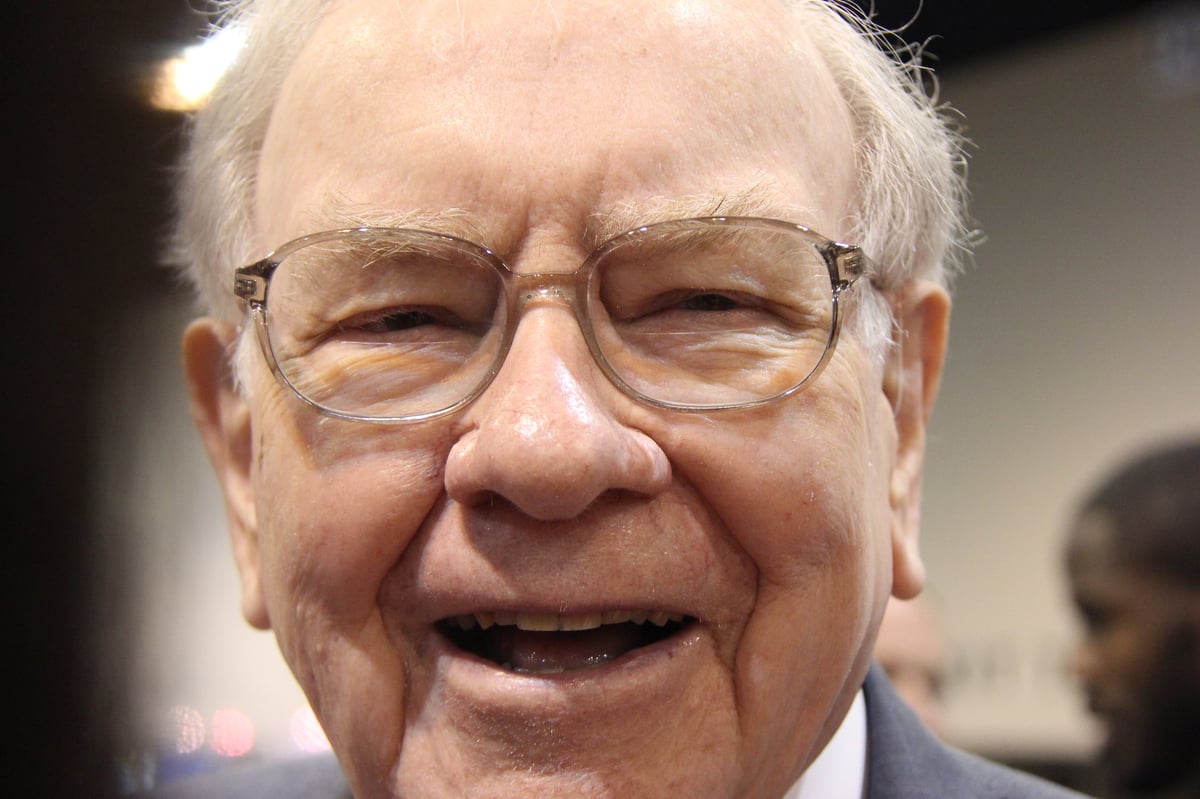
Warren Buffett's Berkshire Hathaway achieved a 19.9% annual compounded return over 60 years, nearly double the S&P 500's 10.4%. However, new CEO Greg Abel faces challenges replicating this performance as the company is now a $1.1 trillion entity. Buffett himself stated there is 'no possibility of eye-popping performance' ahead, and Berkshire has underperformed the market over the past three, five, and ten-year periods. While Abel continues the investment playbook with acquisitions like Taylor Morrison and maintains disciplined stock selection, the company's massive size makes percentage growth increasingly difficult.
Our take is based on reporting first published by The Motley Fool.